The best stress management techniques for men involve a practical programme combining physical action, mental exercises and social connection. This approach helps build resilience against pressures from career, family and finance common in your 30s and 40s.
Your 30s and 40s can feel like you are running a marathon at a sprinter’s pace. The pressure to climb the career ladder, provide for your family and hit financial milestones can build up until it feels overwhelming. If you feel like you are constantly running on empty, you are not alone. Learning effective stress management techniques for men is not a sign of weakness. It is a practical skill, like learning to manage your finances or maintain your car, that allows you to take proactive control over your wellbeing. This article offers a structured, no-nonsense programme to help you do just that. It’s about building resilience and finding better ways to handle the pressure, so you can navigate this demanding decade with more confidence and calm. By understanding the signs of stress and anxiety, you can take the first step towards managing them effectively.
This article provides general information and is not a substitute for professional medical, mental health, financial, legal or religious advice.
What Are the Unique Stressors for Men in This Life Stage
The pressure men face in their 30s and 40s is often a unique mix of professional ambition and personal responsibility. It is a time of building and providing, which can create a perfect storm for chronic stress. Recognising these specific pressures is the first step towards addressing them.
Common stressors include:
- Career and Work: The pressure to achieve promotions, earn more and establish yourself as an expert can be immense. For many men, this is also the time when they might feel stuck in a role that no longer feels fulfilling, leading to frustration and a sense of being trapped.
- Family and Relationships: Juggling the roles of a supportive partner and an engaged parent, especially with young children, is demanding. The lack of sleep, constant demands on your time and energy and navigating relationship stress can take a significant toll.
- Financial Burdens: This is often the decade of big financial commitments. Mortgages, car payments, saving for your children’s future and planning for retirement all create a heavy weight. The rising cost of living adds another layer of worry and the mental cost of money worries can be severe.
- Health and Fitness: You might start noticing that you cannot bounce back like you did in your 20s. Aches and pains may linger longer and it becomes clear you cannot take your health for granted anymore. This realisation can itself be a source of stress.
- The ‘Sandwich Generation’: Some men in their 40s find themselves caring for both their own young children and their ageing parents. This dual responsibility can stretch your time, finances and emotional resources to their absolute limit.
These pressures are real and acknowledging them is crucial. They are not just things you have to ‘tough out’ but challenges that require a proactive stress management programme for men.
How Can You Build a Practical Four Week Stress Reset
Instead of a long list of things you ‘should’ be doing, this simple four week programme focuses on adding one small, manageable habit each week. The goal is to build momentum and create lasting change without feeling overwhelmed. Think of it as a reset button for your stress response system.
Week 1 Take Stock and Build Awareness
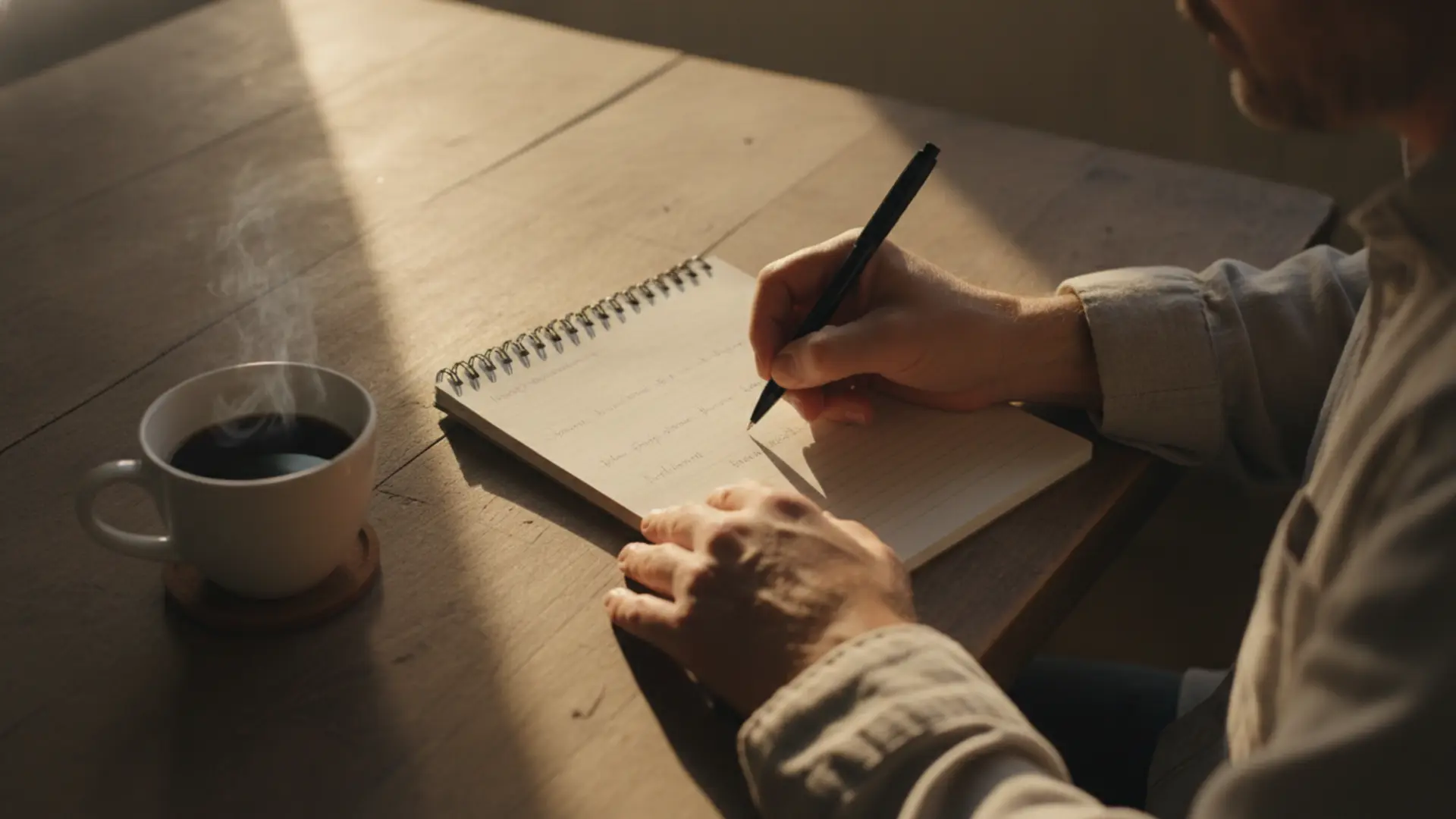
You cannot manage what you do not measure. This week is about identifying your personal stress triggers. For seven days, keep a simple note on your phone or in a pocket notebook. Each time you feel stressed, tense or irritable, write down what is happening, where you are and who you are with. You are not trying to solve anything yet, just observing. At the end of the week, you will have a clearer picture of your specific stress patterns.
Week 2 Focus on Physical Action
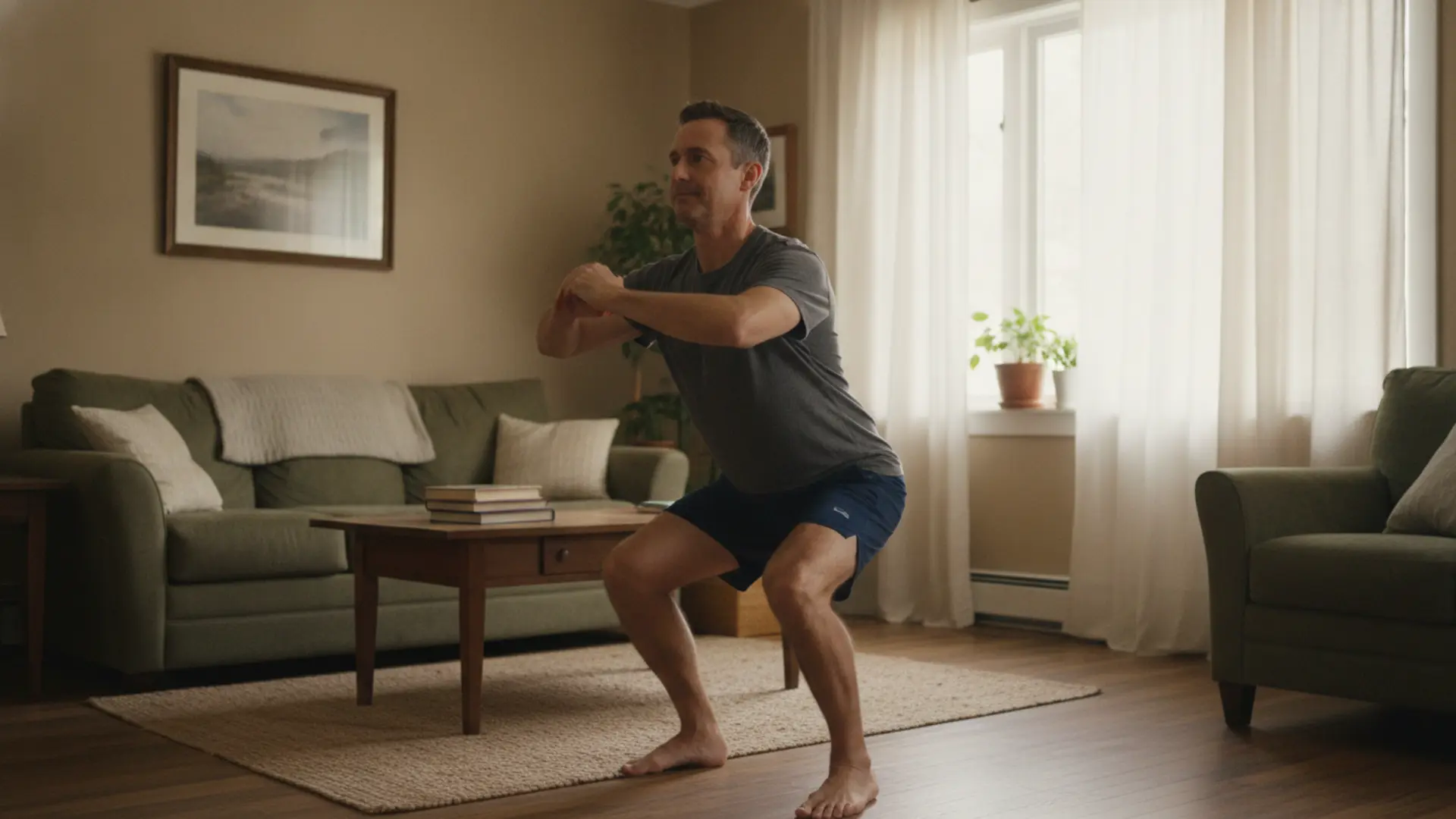
Building on your new awareness, this week you will introduce one new physical habit. Physical activity is a powerful tool for managing stress. Some research suggests that regular exercise can help your body regulate stress hormones. It does not have to be a punishing gym session. The key is consistency. For example, you could commit to a brisk 20 minute walk at lunchtime three times a week. The simple act of moving your body can be instrumental in preventing burnout through exercise. If you need more ideas, check out official NHS guidance on exercise. For many men, the key is to find something you enjoy, like learning to boost mental health with walking.
Week 3 Sharpen Your Mental Toolkit
This week, you will add a simple mental exercise to your routine. Stress often lives in our heads as a constant stream of worries and what-ifs. Practising a simple mindfulness or breathing technique for 5-10 minutes each day can help quieten this noise. There are many free apps and online guides for simple meditation techniques. Another powerful action is to create a digital detox period, such as putting your phone away for an hour before bed. This gives your brain a chance to switch off, improving sleep and reducing morning anxiety. These are small habits for building calm over time.
Week 4 Strengthen Your Connections
Stress thrives in isolation. This final week focuses on making a conscious effort to connect with others. This does not have to be a deep and meaningful conversation about your feelings unless you want it to be. It could be as simple as making a phone call to a friend you have not spoken to in a while, arranging to meet a mate for a coffee or joining a local community group. The goal is to break the pattern of withdrawal that often accompanies stress and remind yourself that you have a support network.
As you go through this programme, it can be helpful to see the difference between old habits and new techniques.
| Reactive Stress Habits | Proactive Stress Techniques |
|---|---|
| Drinking more alcohol than usual | Engaging in regular physical activity |
| Withdrawing from friends and family | Making a conscious effort to connect |
| Becoming irritable or angry | Practising daily breathing or mindfulness |
| Working longer hours to avoid problems | Setting clear boundaries between work and home |
| Ignoring physical symptoms like headaches | Keeping a journal to identify stress triggers |
What Common Mistakes and Myths Hold Men Back
For generations, men have been told to keep a stiff upper lip. This cultural conditioning creates powerful myths and mistakes that prevent us from effectively managing stress. Addressing these head-on is a vital part of learning better stress management techniques for men.
Myth 1 Stress is just a part of life I have to tough it out.
While some pressure is normal, chronic stress is a different beast. It is a serious health issue, not a test of your character. According to the NHS, long-term stress can lead to physical exhaustion and stress can cause symptoms like high blood pressure and chest pains. Ignoring it is like ignoring a warning light on your car’s dashboard.
Myth 2 Talking about it won’t solve anything.
This is one of the biggest barriers. While talking alone might not make a mortgage payment disappear, it does something crucial. It shares the load. Getting a different perspective from a trusted friend, partner or peer group can help you see solutions you might have missed. It also stops problems from growing bigger in the echo chamber of your own mind, which is a key part of breaking the stigma for men.
Myth 3 I don’t have time for stress management.
This is the classic paradox. You feel too stressed to do the very things that would reduce your stress. The truth is that small, consistent actions have a far greater impact than grand gestures you never get around to. A five minute breathing exercise is better than a spa weekend you never book. It is about finding what fits into your life right now.
Mistake 1 Relying on unhealthy coping mechanisms.
Having a few beers after a tough week or zoning out in front of the TV is common. However, when these become your only tools for coping, they often create more problems than they solve. Excessive drinking, avoidance and emotional eating are temporary fixes that can lead to bigger long-term issues for your health, relationships and finances.
Mistake 2 Ignoring the early physical signs of stress.
Your body often knows you are stressed before your mind admits it. Persistent headaches, poor sleep, an upset stomach or clenching your jaw are all common physical signs. Ignoring these signals allows stress to build up, potentially leading to more significant health problems down the line.
How Can Peer Support and Community Help You Manage Stress
One of the most powerful strategies for managing stress is realising you do not have to do it alone. The feeling that you are the only one struggling is a heavy burden to carry. Breaking the cycle of stress and isolation often starts with connection.
This is where peer support comes in. Talking with other men who are navigating similar life challenges normalises the conversation. It takes the pressure off and creates a space where you can be honest without fear of judgement. You quickly realise that your struggles with work, family or finances are shared experiences, not personal failings. This sense of shared understanding is a powerful antidote to stress.
At Men’s Prosperity Club (MPC), we are building a community right here in Birmingham and across the West Midlands where these conversations happen. As a free, judgement-free and community-led group, we provide a space for men to connect and share. You don’t have to face life’s challenges alone. Activities like our Walk and Talk sessions and peer support discussions are practical ways to find that connection. It is not about having all the answers but about creating a supportive brotherhood where every voice matters. Discovering the power of healing through connection can be a profound experience.
When Should You Seek Professional Help
It is crucial to understand that a peer support community like Men’s Prosperity Club is here to provide connection and shared experience, not clinical or crisis services. We complement professional support, we do not replace it.
Knowing when to reach out for professional help is a sign of strength. If you are finding that stress is consistently impacting your life in a negative way, it may be time to speak to a professional. The NHS advises seeing a GP if you are struggling to cope with stress or if self-help techniques are not working.
Here are some signs that it might be time to talk to your GP:
- Stress is constantly affecting your sleep or appetite.
- You feel unable to cope with the demands of daily life.
- You are using alcohol, drugs or other behaviours to manage your feelings.
- You feel persistently low, hopeless or have lost interest in things you used to enjoy.
Your GP is the best first point of contact. They can listen to your concerns, rule out any underlying physical health issues and refer you to the right NHS mental health services. Reputable UK organisations like Mind on stress and mental health also provide excellent information and support.
If you are in crisis or thinking about harming yourself, contact Samaritans listening support free on 116 123 at any time or call 999 in an emergency. For non-emergency urgent mental health help in England you can use NHS 111.

Key Takeaways
- The 30s and 40s are a high-pressure time for men due to a unique mix of career, family and financial responsibilities.
- Learning to manage stress is a practical skill, not a sign of weakness.
- A structured four week programme focusing on awareness, physical action, mental tools and connection can be highly effective.
- Common myths, such as needing to ‘tough it out’, often prevent men from seeking help.
- Unhealthy coping mechanisms like excessive drinking or avoidance can make stress worse in the long run.
- Peer support and community provide a vital sense of connection and shared experience, reducing feelings of isolation.
- It is important to seek professional help from your GP if stress becomes unmanageable or self-help techniques are not enough.
Frequently Asked Questions
Can exercise really make a difference to work stress?
Yes, absolutely. Regular physical activity is one of the most effective stress management techniques for men. It can help improve your mood, boost energy levels and provide a healthy outlet for frustration. Even a short walk during your lunch break can make a significant difference to how you handle the pressures of the day. It’s about how exercise transforms mental health in general.
What is the best first step if I feel completely overwhelmed?
If you feel overwhelmed, the best first step is to talk to someone. This could be your partner, a trusted friend or your GP. Simply verbalising what you are going through can lift a huge weight. The second step is to pick one small, manageable action from the four week plan, like keeping a stress journal for a few days.
How long does it take for stress management techniques to start working?
Some techniques, like deep breathing exercises, can provide immediate short-term relief. Others, such as regular exercise and building stronger social connections, create more profound, lasting change over several weeks and months. The key is consistency. Small, regular efforts are more effective than occasional grand gestures.
Is stress in your 40s different from stress in your 20s?
Yes, for many men it is. Stress in your 20s might be more about finding your way, education and early career steps. In your 40s, the stressors often become heavier and more complex, involving mortgages, the responsibility of providing for a family and sometimes caring for ageing parents. The Men’s Health Forum provides resources on the different health challenges men face at various life stages.
Are there any free stress management resources in the UK?
There are many excellent free resources. The NHS offers a wealth of information on its website. Charities like Mind and Samaritans provide incredible support and guidance. For financial stress, you can get free money guidance from MoneyHelper. And of course, peer support communities like Men’s Prosperity Club are always free to join.
Related Reading
Final Thoughts
Navigating the pressures of your 30s and 40s requires a solid toolkit. By adopting a structured approach and learning practical stress management techniques for men, you can build the resilience needed not just to survive, but to prosper. Remember, you do not have to figure this all out on your own. Real conversations and connections with other men on a similar path can make all the difference. If you are ready to take that step, we invite you to Join the Community.