
The best cardio workouts for men aged 18 to 24 are consistent enjoyable routines that support both physical and mental health. This guide focuses on practical accessible options like jogging bodyweight HIIT and walking to help you build a sustainable foundation for life.
Being a man between 18 and 24 can feel like a lot. You might be navigating university starting a career or figuring out who you are. With all these pressures, looking after your physical and mental health can sometimes fall to the bottom of the list. But what if getting fitter wasn’t about extreme goals or looking a certain way? This guide to cardio workouts for men is about something more practical. It is about using simple movement to build a strong foundation for your wellbeing.
This article provides general information and is not a substitute for professional medical financial legal or religious advice. Always consult a qualified professional for your specific situation.
Why is fitness important for men in their late teens and early twenties?
This stage of life comes with a unique set of challenges. You are making big decisions about your future dealing with academic or work stress and managing new social dynamics. It is easy to feel overwhelmed. In these moments, it’s vital to remember that your physical health and mental wellbeing are deeply connected. How you treat your body has a massive impact on how you feel in your head.
Building a simple fitness routine now is not about chasing an unrealistic body image you see online. Instead, it is about creating sustainable habits that will support you for years to come. Think of it as an investment in your own resilience. Regular exercise transforms men’s mental health by providing a healthy outlet for stress and a powerful tool for building self-discipline.
This guide will walk you through a practical approach to fitness. We will explore different types of cardio workouts for men, explain why a simple walk can be just as important as an intense run and show you how to build a routine that actually sticks. The goal is to feel better, not to compete with anyone else.
How do cardio and walking benefit you differently?
When you hear the word ‘cardio’ you might picture someone drenched in sweat on a treadmill. And while that’s one version, the reality is much broader. Both high-energy cardio and low-intensity walking have unique benefits for your body and mind. Understanding the difference helps you choose what you need on any given day.
The case for cardio
Cardiovascular exercise or cardio, is any activity that gets your heart rate up and makes you breathe harder. Think running, cycling or a fast-paced bodyweight circuit. The primary physical benefits are a stronger heart and lungs improved stamina and better circulation. But the mental benefits are just as significant.
When you do vigorous exercise, your body releases chemicals like endorphins. These are often linked to the ‘runner’s high’ and can act as natural mood boosters. This is one of the reasons why a tough workout often enhances mood and mental clarity leaving you feeling more positive and less stressed afterwards. The NHS provides excellent NHS Every Mind Matters resources on how to manage your mental wellbeing.
The power of walking
Walking is one of the most underrated forms of exercise. It is low impact meaning it is easy on your joints and it is completely free and accessible to almost everyone. The power of walking lies in its simplicity. It offers a chance to get out of your own head, process your thoughts and connect with your surroundings without the pressure of a high-intensity workout.
Research suggests that gentle exercise like walking can help lower stress hormones like cortisol. It provides a mental break, allowing you to return to your work or studies with a clearer perspective. It is a form of active recovery that supports both your physical and mental health. Leading mental health charities offer further information about how Mind on physical activity can be a powerful tool.
| Feature | Cardio | Walking |
|---|---|---|
| Intensity | Moderate to High | Low |
| Key Physical Benefits | Improves heart health, stamina and endurance. | Good for joints, aids digestion and improves circulation. |
| Key Mental Benefits | Significant mood boost, stress release and improved focus. | Reduces stress, provides time for reflection and clears the head. |
| Accessibility | Some forms are free (running) others may need a gym. | Free, requires no special equipment. |
What are some simple and effective cardio workouts?
Getting fit does not have to be complicated or expensive. There are plenty of effective cardio workouts for men that you can do with minimal equipment, either at home, outdoors or in a gym if you have access to one. The key is to find something you do not hate doing. Enjoyment is the secret ingredient for consistency.
At home or outdoors
You have a huge range of options that cost little to nothing. For example, jogging is a classic for a reason. It is a great way to explore your local area while building cardiovascular fitness. If you are new to it, our guide on how to start running can help you begin safely.
Other brilliant options include:
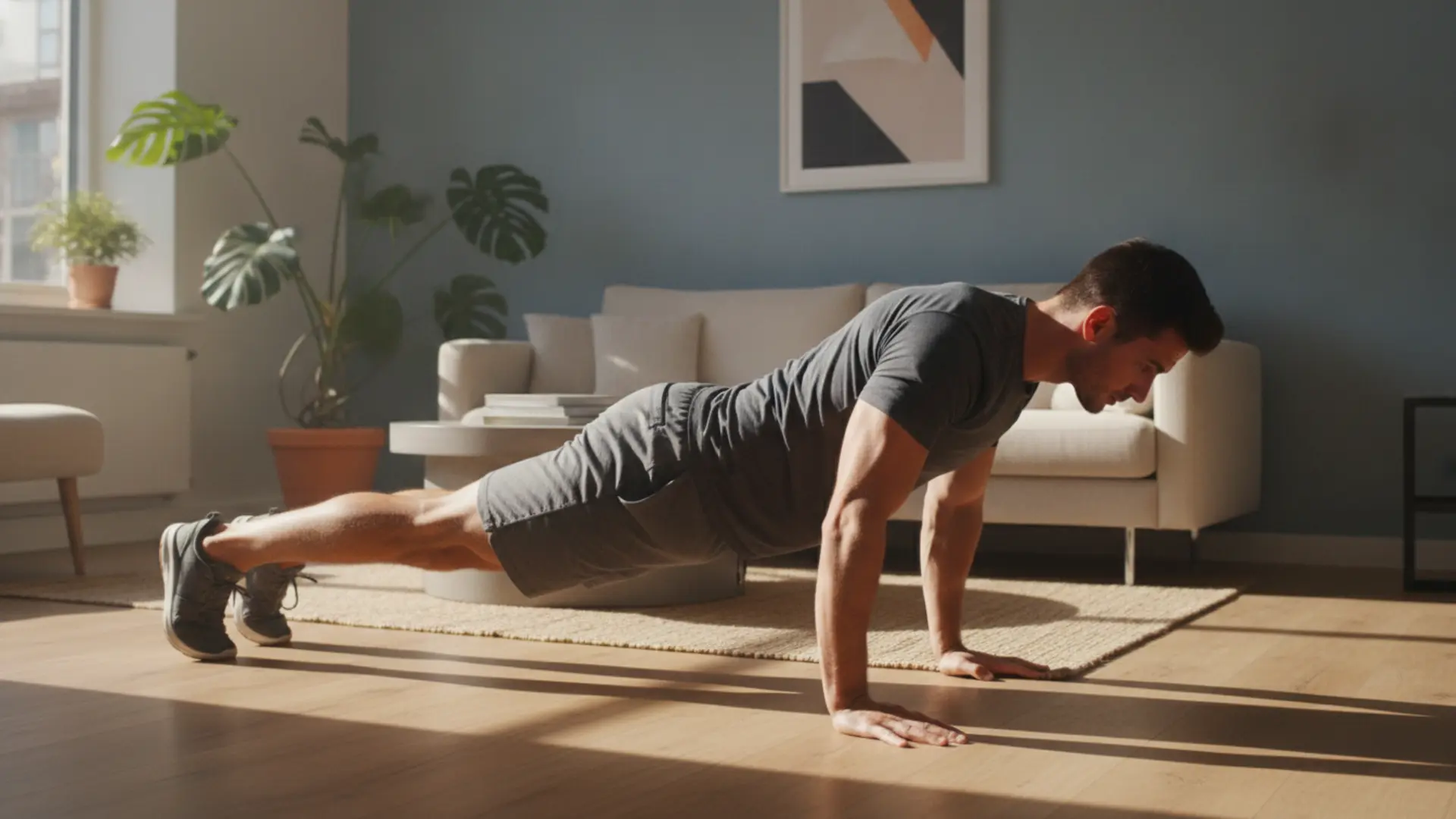
- Bodyweight HIIT: High-Intensity Interval Training involves short bursts of all-out effort followed by brief rest periods. Think exercises like star jumps, burpees, high knees and mountain climbers. A 15 to 20 minute session can be incredibly effective.
- Cycling: Whether it is on the roads or through local parks, cycling is a fantastic low-impact cardio workout.
- Skipping: A skipping rope is a cheap and portable piece of kit that delivers a serious workout, improving coordination and cardiovascular health.
In the gym
If you prefer a gym environment or the weather is putting you off exercising outside, machines can provide a structured workout. The rowing machine offers a full-body workout, engaging your legs, core and upper body. The cross-trainer is a great low-impact option that is kinder on your knees than running on a treadmill. And of course, the treadmill allows you to run or walk at a consistent pace regardless of what is happening outside. You can find more ideas in the official NHS exercise guidance.
How can you build a sustainable fitness routine?
The hardest part of any fitness plan is not the first workout. It is the tenth or the twentieth. Building a routine that lasts is about consistency, not intensity. A 20-minute workout three times a week is far more beneficial than a two-hour session once a month that leaves you exhausted and sore for days. Here is how to make it stick.
Focus on creating a habit that feels manageable. The goal is to integrate movement into your life in a way that feels supportive not like another chore. It is about progress over perfection.
5 Steps to Start Your Routine
- Set a realistic goal. Do not aim for six gym sessions a week if you are starting from zero. A good starting point could be two 20-minute cardio sessions and two 30-minute walks per week. You can always build from there.
- Schedule it in. Treat your workouts like any other important appointment. Put them in your calendar. This simple act makes you more likely to follow through.
- Start with activities you find manageable. If you hate running, do not force yourself to run. Try cycling, a HIIT workout or even a brisk walk. You are more likely to stick with something you find at least a little bit enjoyable.
- Listen to your body. Your body needs time to recover and adapt. Make sure you include rest days in your schedule. Pushing through pain can lead to injury, so learn the difference between discomfort and a warning sign. Understanding the importance of sleep and rest is crucial for progress.
- Track how you feel. Instead of focusing only on numbers like weight or distance, pay attention to your energy levels, mood and sleep quality. Recognising these improvements can be a powerful motivator.
What common mistakes and myths should you avoid?
When you start looking into fitness, you will come across a lot of advice. Some of it is helpful, but a lot of it is not. Here are a few common myths and mistakes to watch out for to ensure your approach to cardio workouts for men is healthy and sustainable.
- Myth: You need an expensive gym membership to get fit. This is simply not true. As we have discussed, running, walking and bodyweight exercises are free and incredibly effective. Your body is the only piece of equipment you truly need.
- Mistake: Going all out on day one. It is tempting to throw yourself into a new routine with maximum effort, but this is a fast track to injury or burnout. Gradual progress is the key. Start slow and increase the intensity and duration of your workouts over time. This is essential for preventing burnout through exercise.
- Myth: ‘No pain, no gain’. This is a dangerous mindset. While you should feel challenged during a workout, you should never be in actual pain. Discomfort from muscle fatigue is normal, but sharp, stabbing or persistent pain is your body’s signal to stop.
- Mistake: Comparing your journey to others. Social media can make it seem like everyone else is fitter, stronger or faster. Comparison is the thief of joy. Focus on your own progress and how exercise makes you feel. This is your journey, no one else’s.

How can peer support help you stay on track?
Embarking on a new fitness routine alone can be tough. Motivation can dip and it is easy to make excuses. This is where the power of community comes in. Sharing your goals with other men creates a sense of accountability and provides a network of support for when you are struggling.
It is not about competition. It is about encouragement. Knowing that someone else is on a similar path can make all the difference. The benefits of social interaction in group fitness extend beyond just physical health; it builds connection and reduces feelings of isolation.
At Men’s Prosperity Club, we understand this. We are a judgement-free community where men can support each other through all of life’s challenges, including health and fitness. Our Birmingham-based MPC’s Walk & Talk events are a perfect example of this in action. They combine gentle exercise with open, honest conversation. It is a space to move your body, clear your head and connect with other men who get it. You don’t have to face life’s challenges alone.
When should you get professional advice?
This guide offers general tips and encouragement, but it is not a substitute for professional medical advice. Your health is your most important asset, so it is vital to approach any new fitness programme safely.
If you have any underlying health conditions, such as heart problems, asthma or joint issues or if you have been inactive for a long time, it is always a good idea to speak to your GP before you start. They can give you advice tailored to your specific circumstances. For more information on men’s health in the UK, The Men’s Health Forum is a valuable resource.
If you want a personalised exercise plan or if you experience persistent pain when you exercise, consider speaking to a qualified fitness instructor or a physiotherapist. They can help you find exercises that are safe and effective for you. If you are struggling, you can also contact The CALM helpline for men for support.
It is also important to remember that Men’s Prosperity Club is a peer support group. We provide a safe space for connection and conversation, but we are not a clinical or crisis service. If you are in crisis or thinking about harming yourself, contact Samaritans free on 116 123 at any time or call 999 in an emergency. For non-emergency urgent mental health help in England you can use NHS 111.

Key Takeaways
- Fitness for men aged 18 to 24 is about building a sustainable foundation for mental and physical health, not just achieving extreme body goals.
- Cardio raises your heart rate and is great for stamina and mood, while walking is a powerful, low-impact tool for stress reduction and mental clarity.
- You do not need an expensive gym. Effective cardio workouts for men include running, bodyweight HIIT and cycling.
- Build a sustainable routine by starting small, scheduling sessions, choosing activities you enjoy and including rest days.
- Avoid common mistakes like going too hard too soon, comparing yourself to others and believing the ‘no pain, no gain’ myth.
- Peer support from a community like Men’s Prosperity Club can provide motivation, accountability and a sense of brotherhood.
- Always consult a GP before starting a new fitness programme if you have underlying health conditions.
Frequently Asked Questions
How much cardio should a man do per week?
The general UK physical activity guidelines for adults suggest aiming for at least 150 minutes of moderate-intensity activity or 75 minutes of vigorous-intensity activity a week. However, the most important thing is to start where you are and build up gradually. Any movement is better than none.
Is walking enough to stay fit?
Walking is a fantastic form of exercise for both mental and physical health. It improves cardiovascular fitness, helps manage weight and reduces stress. For a well-rounded fitness routine, you might want to supplement it with some higher-intensity cardio or strength training, but daily walking provides a brilliant foundation.
What’s better for mental health running or walking?
Both are excellent, but they serve different purposes. Running can provide a significant mood boost through the release of endorphins, making it great for releasing pent-up energy. Walking offers a calmer, more reflective space to process thoughts and reduce anxiety. The best one is the one that you feel you need on a particular day and that you will do consistently.
How do I stay motivated to exercise when I feel low?
This is one of the biggest challenges. When you feel low, try reducing the barrier to entry. Aim for just a 10-minute walk. Often, starting is the hardest part. Focus on how you feel afterwards, not how hard it is to begin. Connecting with others, like at an MPC Walk & Talk, can also provide the gentle encouragement you need.
Final Thoughts
Finding the right cardio workouts for men in your late teens and early twenties is about more than just physical fitness. It is about equipping yourself with tools to navigate the pressures of this transitional time. It is about building resilience, managing stress and creating habits that will serve you for the rest of your life.
Remember to be patient with yourself. Progress takes time. Start small, stay consistent and focus on how movement makes you feel. And most importantly, remember that you do not have to do it alone. If you are looking for a community of men who will support you without judgement, come and see what we are about. Join the Community.