
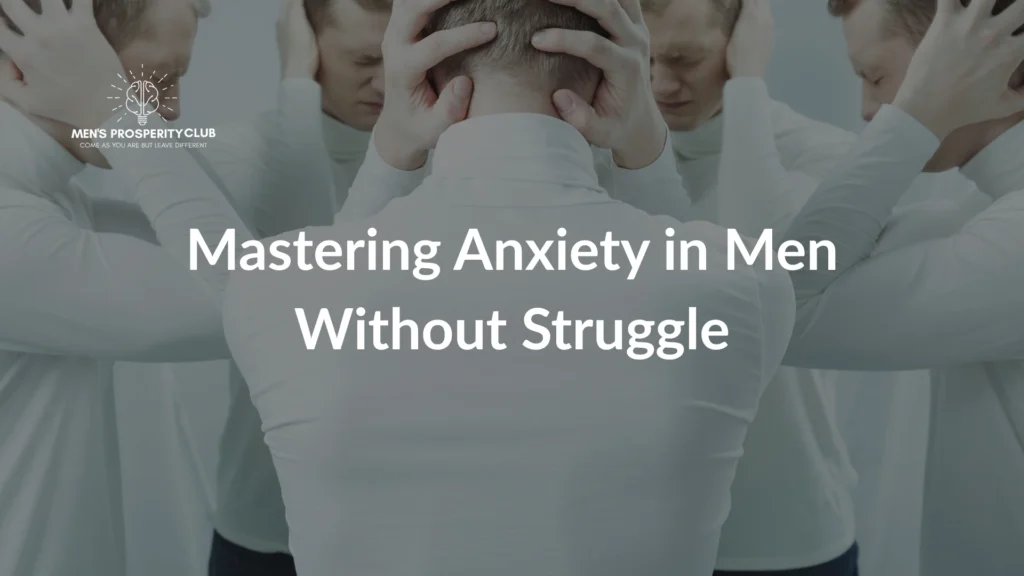
Anxiety doesn’t discriminate, yet men experience it differently than women—and they’re far less likely to talk about it. Recent UK data shows that 29.9% of men reported high levels of anxiety, a figure that has increased significantly over the past decade. Despite these alarming numbers, many men struggle in silence, believing they should simply “man up” and push through.
This article explores the reality of anxiety in men, why it’s often overlooked, and most importantly, how you can reclaim control of your mental wellbeing.
Understanding Anxiety in British Men
Anxiety manifests as persistent worry, fear, or unease that interferes with daily life. For men, however, it often wears a different mask. Rather than expressing worry or sadness, anxiety in men frequently shows up as irritability, anger, or physical symptoms that seem unrelated to mental health.
In England, approximately 12.5% of men have a diagnosed mental health disorder, yet experts believe the true figure is far higher. Many men never seek help, leaving their anxiety undiagnosed and untreated. This creates a dangerous cycle where symptoms worsen over time, affecting relationships, careers, and overall quality of life.
The traditional masculine ideal—stoic, self-reliant, emotionally controlled—has created an environment where admitting to anxiety feels like admitting weakness. Consequently, men often wait until they reach crisis point before reaching out for support, if they reach out at all.
Why Men Don’t Seek Help
Half of UK men have suffered with poor mental health at some point, yet barriers such as stigma, lack of awareness, and limited access to resources persist. These obstacles prevent countless men from getting the help they need and deserve.
Traditional masculine values play a significant role. From childhood, boys learn to suppress emotions, to be tough, to solve problems independently. These learned behaviours become deeply ingrained, making it incredibly difficult to admit vulnerability or ask for help as adults.
Fear of judgement looms large. Many men worry about being perceived as weak, incapable, or “less of a man” if they admit to struggling with anxiety. This fear extends beyond personal relationships into professional settings, where men worry that mental health problems might jeopardise their careers or reputation.
Additionally, men often simply don’t recognise anxiety for what it is. When anxiety presents as physical symptoms—chest tightness, headaches, digestive issues—or behavioural changes like increased drinking or risk-taking, men may not connect these signs to their mental health. They might visit their GP repeatedly for physical complaints without ever discussing the underlying anxiety driving these symptoms.
Recognising Anxiety Symptoms in Men
Understanding how anxiety uniquely affects men is crucial for early intervention. Whilst women might openly discuss feeling worried or anxious, men’s symptoms often look quite different.
Physical symptoms frequently dominate. You might experience persistent headaches, muscle tension, chest pain, or digestive problems. Sleep disturbances are common—either struggling to fall asleep due to racing thoughts or waking frequently throughout the night. Some men notice increased heart rate, sweating, or trembling, particularly in stressful situations.
Emotionally, anxiety in men often manifests as irritability rather than sadness. You might find yourself snapping at loved ones, feeling constantly on edge, or experiencing unexplained anger. Concentration becomes difficult, and you may struggle with indecisiveness or racing thoughts that won’t quiet down.
Behavioural changes provide important clues. Many men increase their alcohol consumption or turn to substances to manage anxiety symptoms. Others throw themselves into work, using busyness as distraction from uncomfortable feelings. Some men withdraw from social situations, cancel plans frequently, or avoid activities they once enjoyed. Risk-taking behaviour sometimes increases as men seek adrenaline rushes to override anxiety’s uncomfortable sensations.

The Connection Between Anxiety and Men’s Wellbeing
Untreated anxiety ripples outward, affecting every aspect of life. Relationships suffer as irritability and withdrawal create distance between you and loved ones. Partners may feel confused or rejected, unable to understand why you’ve become so distant or quick-tempered.
Professional life takes a hit too. Anxiety interferes with concentration, decision-making, and productivity. Men might start avoiding meetings, missing deadlines, or turning down opportunities for advancement because anxiety makes these situations feel unbearable.
Physical health deteriorates alongside mental health. Chronic anxiety contributes to cardiovascular problems, weakened immune function, digestive disorders, and chronic pain conditions. Sleep deprivation from anxiety-related insomnia further compromises physical wellbeing, creating a vicious cycle that’s difficult to break.
In 2023, around three in four suicides were male. This devastating statistic highlights the critical importance of addressing men’s mental health proactively. Untreated anxiety doesn’t simply remain static—it escalates, sometimes with tragic consequences.
Breaking the Silence: Why Talking Matters
Opening up about anxiety isn’t weakness—it’s courage. Speaking about your struggles begins the healing process and often reveals that others share similar experiences. You’re not alone, despite how isolating anxiety can feel.
Talking helps in several concrete ways. Verbalising anxious thoughts often diminishes their power, making them feel more manageable. Speaking with someone you trust provides perspective, helping you see situations more clearly rather than through anxiety’s distorting lens.
Professional support offers structured approaches to managing anxiety. Therapists provide evidence-based techniques specifically designed to reduce anxiety symptoms and improve coping skills. Cognitive Behavioural Therapy (CBT), in particular, has proven highly effective for anxiety disorders, helping men identify and change unhelpful thought patterns.
Support groups create community amongst men facing similar challenges. Organisations like the Men’s Prosperity Club (MPC), a mental health support group in the UK, provide safe spaces where men can share experiences without judgement. These peer support networks reduce isolation and demonstrate that recovery is possible.
Practical Strategies for Managing Anxiety
Whilst professional help is invaluable, daily habits significantly impact anxiety levels. Incorporating these strategies into your routine creates a foundation for better mental health.
Physical activity powerfully reduces anxiety. Exercise releases endorphins—natural mood elevators—whilst simultaneously reducing stress hormones like cortisol. You don’t need intense workouts; regular walking, swimming, cycling, or any activity you enjoy provides benefits. Aim for 30 minutes most days, but remember that some movement is always better than none.
Sleep hygiene dramatically affects anxiety levels. Establish a consistent sleep schedule, going to bed and waking at the same time daily. Create a calming bedtime routine—perhaps reading, gentle stretching, or listening to calming music. Avoid screens for at least an hour before bed, as blue light interferes with sleep-promoting hormones.
Breathing techniques provide immediate anxiety relief. When you notice anxiety rising, try this simple technique: breathe in slowly through your nose for four counts, hold for four counts, exhale through your mouth for six counts, and pause for two counts. Repeat five times. This activates your parasympathetic nervous system, triggering relaxation.
Mindfulness and meditation train your brain to respond differently to anxious thoughts. Rather than getting caught in worry spirals, you learn to observe thoughts without judgement, recognising them as temporary mental events rather than facts. Numerous apps offer guided meditations specifically designed for beginners.
Limit caffeine and alcohol consumption. Whilst that morning coffee feels essential and evening pints provide temporary relief, both substances significantly worsen anxiety. Caffeine stimulates your nervous system, mimicking anxiety’s physical symptoms. Alcohol, despite its initial calming effect, disrupts sleep and increases anxiety as it metabolises.
Nutrition’s Role in Mental Health
What you eat directly impacts how you feel. Certain nutritional choices support mental wellbeing whilst others exacerbate anxiety symptoms.
Omega-3 fatty acids, found in oily fish like salmon, mackerel, and sardines, support brain health and may reduce anxiety symptoms. Aim for two portions weekly. If you don’t eat fish, consider a quality supplement after consulting your GP.
Complex carbohydrates—whole grains, vegetables, legumes—stabilise blood sugar, preventing the energy crashes that trigger anxiety. These foods also boost serotonin production, promoting calmness and wellbeing.
Protein-rich foods provide amino acids necessary for neurotransmitter production. Include lean meats, fish, eggs, beans, and nuts throughout your day to maintain steady energy and stable mood.
Probiotic foods support gut health, which increasingly appears connected to mental health. Yoghurt, kefir, sauerkraut, and kimchi introduce beneficial bacteria that may influence brain function through the gut-brain axis.
Stay properly hydrated. Even mild dehydration affects mood and cognitive function, potentially worsening anxiety symptoms. Aim for six to eight glasses of water daily, more if you’re active or in hot weather.
Building a Support Network
Recovery rarely happens in isolation. Surrounding yourself with supportive people creates resilience against anxiety’s challenges.
Start by identifying trusted individuals in your life—perhaps a close friend, family member, or colleague who demonstrates empathy and understanding. Share what you’re experiencing with them. You needn’t go into exhaustive detail initially; simply letting someone know you’re struggling opens the door for support.
Consider joining a men’s mental health group. The Men’s Prosperity Club (MPC) offers peer support specifically designed for men’s mental health needs, creating spaces where vulnerability is welcomed and masculine identity is affirmed alongside emotional openness. These groups help men realise they’re not alone whilst providing practical coping strategies from others who understand.
Online communities provide additional support, particularly useful if you’re not ready for face-to-face interactions. Forums and social media groups dedicated to men’s mental health offer anonymity whilst connecting you with others sharing similar experiences.
Professional support shouldn’t be overlooked. Your GP can refer you to NHS talking therapies, which include counselling and CBT. Waiting times vary, but many areas offer rapid access for those in crisis. Private therapy is another option if finances allow and you prefer avoiding NHS waiting lists.
When to Seek Professional Help
Understanding when anxiety requires professional intervention is crucial. Whilst everyone experiences occasional worry, certain signs indicate it’s time to seek help.
If anxiety interferes with daily functioning—you’re missing work, avoiding social situations, or neglecting responsibilities—professional support becomes essential. When physical symptoms persist despite no medical cause being found, anxiety might be the underlying issue requiring mental health treatment rather than repeated medical investigations.
Panic attacks—sudden, intense episodes of fear accompanied by physical symptoms like chest pain, difficulty breathing, and feeling you might die—warrant professional assessment. These frightening experiences respond well to treatment, but they’re unlikely to resolve without intervention.
If you’re using alcohol, drugs, or other substances to manage anxiety symptoms, seek help immediately. Self-medication creates additional problems, often worsening anxiety long-term whilst introducing substance dependency.
Suicidal thoughts or feelings that life isn’t worth living require urgent professional help. Contact your GP, call NHS 111, or reach the Samaritans on 116 123 (available 24/7). These thoughts indicate severe distress, but they’re also treatable. You deserve support, and help is available.

Treatment Options Available
Multiple evidence-based treatments effectively reduce anxiety symptoms. Understanding your options empowers you to make informed decisions about your care.
Cognitive Behavioural Therapy (CBT) stands as the gold standard psychological treatment for anxiety. CBT helps identify unhelpful thought patterns and behaviours maintaining anxiety, then teaches practical techniques to challenge and change them. Most people notice significant improvement within 12-20 sessions.
Counselling provides a supportive space to explore underlying issues contributing to anxiety. Different from CBT’s structured approach, counselling focuses on understanding yourself better, processing difficult emotions, and developing healthier coping mechanisms.
Medication can be helpful, particularly for moderate to severe anxiety. Selective Serotonin Reuptake Inhibitors (SSRIs) are commonly prescribed, taking several weeks to reach full effectiveness. Some men benefit from short-term medication whilst learning psychological coping strategies, whilst others require longer-term treatment. Your GP will discuss options based on your specific situation.
Applied relaxation teaches progressive muscle relaxation techniques that reduce physical anxiety symptoms. This approach particularly benefits men whose anxiety manifests primarily through physical sensations.
Group therapy offers support whilst learning anxiety management skills alongside others facing similar challenges. Many men find group settings less intimidating than individual therapy, appreciating the shared experience and mutual encouragement.
Moving Forward With Hope
Living with anxiety feels overwhelming, but recovery is absolutely possible. Thousands of men successfully manage anxiety, leading fulfilling lives despite their diagnosis. You can too.
Progress isn’t linear. You’ll have setbacks, difficult days when anxiety feels as powerful as ever. These moments don’t erase progress—they’re simply part of the journey. Compassion towards yourself during struggles is essential, recognising that healing takes time.
Small steps create meaningful change. You needn’t overhaul your entire life immediately. Choose one strategy from this article and implement it this week. Perhaps that’s reaching out to your GP, trying a breathing exercise daily, or simply talking to a trusted friend about how you’re feeling. These small actions accumulate, building momentum towards recovery.
Remember that seeking help demonstrates strength, not weakness. It takes courage to acknowledge struggle and reach out for support. That courage is already within you—you’re reading this article, taking the first step towards understanding and addressing your anxiety.
Resources and Support
The NHS provides extensive mental health resources. Your GP serves as the gateway to NHS mental health services, including talking therapies and specialist support. Book an appointment specifically to discuss your mental health, allowing adequate time for thorough assessment.
The Men’s Prosperity Club (MPC) offers mental health support groups specifically designed for men throughout the UK. These peer-led groups provide safe, judgement-free spaces where men support one another through mental health challenges, including anxiety.
Mind offers information, support, and advocacy for anyone experiencing mental health problems. Their helpline (0300 123 3393) operates Monday to Friday, 9am-6pm, providing confidential support and directing you to appropriate local services.
The Samaritans (116 123) provide 24/7 emotional support for anyone experiencing distress or despair. You needn’t be suicidal to call—they’re available whenever you need someone to listen.
Anxiety UK supports those living with anxiety disorders, offering helpline support, live chat, and resources to help manage symptoms. Their website provides extensive information about different anxiety disorders and treatment options.
Your Journey to Peace Starts Now
Nearly 30% of men in the UK report high anxiety levels, yet many suffer silently, believing they should handle everything alone. This outdated notion has devastating consequences, contributing to relationship breakdowns, career problems, and tragically, the high male suicide rate.
Anxiety in men is real, significant, and treatable. Understanding how it manifests differently in men helps recognise symptoms earlier, enabling prompt intervention. Breaking free from stigma and reaching out for support—whether from friends, family, support groups like the Men’s Prosperity Club (MPC), or mental health professionals—begins the healing process.
You deserve to feel well. You deserve support. And you absolutely can recover from anxiety, living a life characterised by peace, purpose, and fulfilment rather than constant worry. The journey starts with a single step—perhaps that step is today.