
Anxiety affects millions of people worldwide, creating a persistent sense of unease that can overwhelm daily life. Whilst traditional treatments like therapy and medication prove effective for many, spiritual practices offer a complementary approach that addresses anxiety from a deeper, more holistic perspective. These ancient techniques tap into our innate capacity for peace and resilience, providing powerful tools for managing anxious thoughts and feelings.
Understanding the Spiritual Approach to Anxiety
Spiritual practices work differently from conventional treatments because they address anxiety at its energetic and emotional roots. Rather than simply managing symptoms, these approaches help transform our relationship with worry and fear. They cultivate a sense of connection to something greater than ourselves, whether we call it the universe, divine consciousness, or our higher self.
The beauty of spiritual anxiety management lies in its accessibility. You don’t need expensive equipment, lengthy training programmes, or even religious beliefs to benefit from these practices. Instead, they require only your willingness to explore inner peace through time-tested methods that have helped countless individuals find calm amidst life’s storms.
Meditation: The Foundation of Spiritual Calm
Meditation stands as perhaps the most powerful spiritual tool for anxiety relief. This practice trains your mind to observe anxious thoughts without becoming entangled in them. When you meditate regularly, you develop what Buddhists call “witness consciousness” – the ability to watch your mental activity from a place of detached awareness.
Starting with just five minutes daily, you can begin to notice significant changes in how you respond to anxiety-provoking situations. Mindfulness meditation, in particular, teaches you to anchor your attention in the present moment rather than getting caught up in future worries or past regrets. Progressive muscle relaxation meditation combines spiritual awareness with physical release, helping you recognise where anxiety manifests in your body.
Loving-kindness meditation offers another powerful approach, especially for those whose anxiety stems from self-criticism or relationship difficulties. This practice involves sending compassionate thoughts to yourself and others, gradually dissolving the harsh inner dialogue that often fuels anxious feelings.
Prayer and Spiritual Connection
Whether you follow a specific religious tradition or simply believe in a higher power, prayer provides a profound source of comfort during anxious moments. Prayer works by shifting your focus from personal struggles to spiritual connection, reminding you that you’re not alone in facing life’s challenges.
Intercessory prayer, where you pray for others, particularly helps reduce anxiety by expanding your perspective beyond personal concerns. Contemplative prayer, involving silent communion with the divine, creates space for inner peace to emerge naturally. Many people find that maintaining a regular prayer practice, even for just a few minutes each morning or evening, significantly reduces their overall anxiety levels.
Additionally, surrendering prayers – where you consciously release your worries to a higher power – can provide immediate relief from the burden of trying to control everything in your life. This practice acknowledges that whilst you can take appropriate action, some things remain beyond your control.
Energy Healing and Chakra Work
Ancient traditions recognise that anxiety often stems from energetic imbalances within our subtle body system. Working with your chakras, or energy centres, can help restore harmony and reduce anxious feelings at their energetic source.
The heart chakra, located in the centre of your chest, particularly relates to anxiety management. When this energy centre becomes blocked or overactive, you might experience excessive worry, fear, or emotional overwhelm. Simple practices like visualising green light at your heart centre whilst breathing deeply can help restore balance.
The root chakra, found at the base of your spine, governs feelings of safety and security. Anxiety often indicates that this energy centre needs attention. Grounding exercises, such as walking barefoot on natural surfaces or visualising roots extending from your body into the earth, can strengthen your sense of stability and reduce anxious thoughts.
Reiki, acupuncture, and crystal healing represent additional energy-based approaches that many people find helpful for anxiety management. These practices work by clearing energetic blockages and promoting the free flow of life force energy throughout your system.
Breathwork: The Bridge Between Body and Spirit
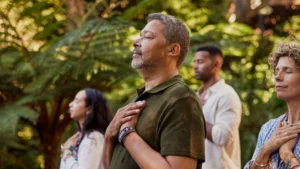
Conscious breathing practices bridge the gap between physical and spiritual healing, offering immediate anxiety relief whilst promoting long-term emotional balance. Your breath serves as a direct pathway to your nervous system, allowing you to quickly shift from anxious states to calm awareness.
The 4-7-8 breathing technique proves particularly effective for acute anxiety. You inhale for four counts, hold for seven, then exhale for eight, repeating this cycle several times. This pattern activates your parasympathetic nervous system, naturally promoting relaxation and reducing stress hormones.
Pranayama, the yogic science of breath control, offers numerous techniques for anxiety management. Alternate nostril breathing balances the nervous system, whilst bee breath (humming during exhalation) creates soothing vibrations that calm the mind. Ocean breath, with its distinctive sound, helps focus attention and reduce mental chatter.
Box breathing, used by military personnel and first responders, involves equal counts for inhalation, retention, exhalation, and pause. This practice builds mental resilience whilst providing immediate anxiety relief during challenging situations.
Sacred Rituals and Ceremonies
Creating sacred space through rituals and ceremonies helps establish a sense of order and meaning when anxiety threatens to overwhelm you. These practices need not be elaborate; even simple daily rituals can provide significant comfort and grounding.
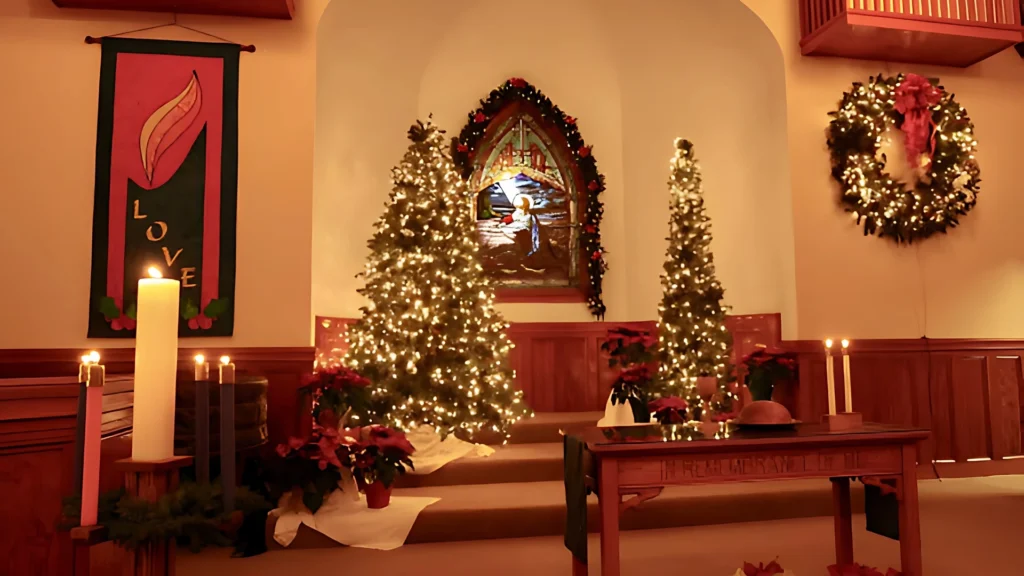
Lighting candles or burning sage whilst setting intentions for peace and calm creates a sacred container for healing. Taking ritual baths with essential oils like lavender or frankincense combines physical relaxation with spiritual cleansing. Creating a personal altar with meaningful objects provides a focal point for prayer, meditation, and reflection.
Seasonal ceremonies that honour natural cycles help connect you to the larger rhythms of life, reducing the sense of isolation that often accompanies anxiety. New moon rituals for releasing worries and full moon ceremonies for calling in peace and clarity align your healing process with lunar energies.
Movement as Spiritual Practice
Physical movement becomes spiritual practice when approached with conscious intention and awareness. Yoga combines physical postures with breath awareness and spiritual philosophy, creating a comprehensive system for anxiety management.
Gentle yoga styles like Yin or Restorative yoga particularly benefit those dealing with anxiety, as they emphasise relaxation and inner awareness rather than physical challenge. Flowing sequences like Sun Salutations help move stagnant energy whilst building confidence and strength.
Tai chi and qigong, ancient Chinese practices, cultivate inner peace through slow, meditative movements that harmonise body, mind, and spirit. These practices teach you to remain centred and grounded even when external circumstances feel chaotic.
Dancing, when approached as sacred movement, allows emotional energy to flow naturally whilst connecting you to joy and creativity. Ecstatic dance, in particular, helps release stored tension and trauma that might contribute to anxiety.
Nature Connection and Earth-Based Spirituality
Spending time in nature provides immediate anxiety relief whilst connecting you to the healing power of the natural world. Earth-based spiritual practices recognise that humans are part of a larger web of life, and our wellbeing depends on maintaining this connection.
Forest bathing, or simply spending mindful time among trees, reduces stress hormones and promotes feelings of peace and wellbeing. Gardening connects you to natural cycles whilst providing purposeful activity that grounds anxious energy.
Ocean or river meditation harnesses the calming properties of water, whilst mountain meditation cultivates feelings of stability and perspective. Even in urban environments, connecting with houseplants or visiting local parks can provide significant anxiety relief.
Working with crystals, herbs, or other natural elements creates tangible connections to Earth’s healing energy whilst providing focal points for meditation and prayer.
Integrating Spiritual Practices into Daily Life
The key to successfully using spiritual practices for anxiety management lies in consistent integration rather than perfection. Start small, choosing one or two practices that resonate most strongly with you, then gradually expand your toolkit as these become natural habits.
Morning spiritual practices set a peaceful tone for your entire day, whilst evening rituals help you release the day’s accumulated stress. Even brief moments of spiritual connection – a few conscious breaths, a quick prayer, or a moment of gratitude – can interrupt anxiety spirals before they gain momentum.
Remember that spiritual practices work cumulatively. Regular engagement builds your capacity for peace and resilience over time, making you less susceptible to anxiety triggers whilst providing reliable tools for managing difficult moments.
The journey of using spiritual practices for anxiety management is deeply personal and uniquely yours. Trust your intuition about which approaches feel most supportive, and be patient with yourself as you develop these new skills. With consistent practice and an open heart, you’ll discover that inner peace is not only possible but readily accessible through these time-honoured spiritual pathways.