

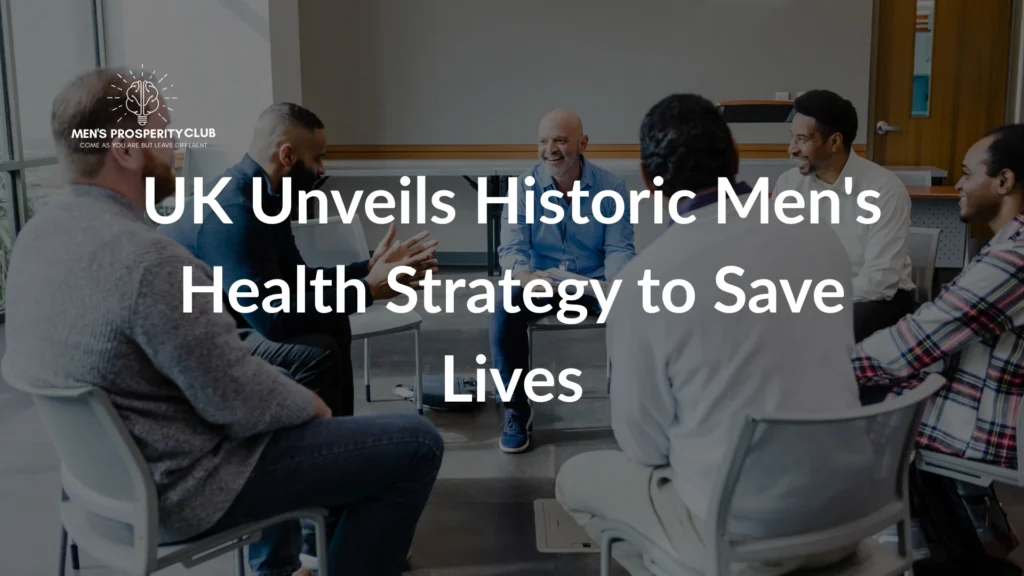
England has launched its first-ever Men’s Health Strategy, marking a watershed moment in addressing the profound health inequalities affecting millions of men across the nation. This comprehensive initiative aims to tackle the alarming reality that men die nearly four years earlier than women, whilst confronting the silent crisis of male suicide, substance misuse, and chronic disease.
Understanding the Crisis: Why Men’s Health Demands Urgent Action
The statistics paint a sobering picture. In 2023, there were 6,069 suicides registered in England and Wales, with men accounting for nearly 80% of these deaths, bringing the male suicide rate to 17.4 per 100,000 compared to 5.7 for women. Moreover, the highest age-specific rate was among men aged 45 to 49, at 25.5 per 100,000. These figures represent the highest suicide rates recorded since 1999, highlighting an escalating public health emergency.
Beyond mental health, men face disproportionate risks across multiple health domains. In 2022, 61% of men reported drinking alcohol during the previous week compared to 51% of women, whilst 30% of men exceeded the weekly recommended limit—double the proportion of women at 15%. Additionally, men demonstrate higher rates of smoking, drug use, and problem gambling, creating a perfect storm of preventable health risks.
Cultural expectations compound these challenges significantly. Traditional notions of masculinity discourage emotional vulnerability, making men reluctant to seek help until conditions become severe. This reluctance manifests in healthcare engagement patterns, where men are far less likely to attend regular check-ups or access preventive services.
Breaking Down the Strategy: Key Pillars for Change
Suicide Prevention Takes Centre Stage
Recognising that suicide remains one of the biggest killers of men under 50, the government has committed £3.6 million over three years specifically for suicide prevention projects targeting middle-aged men. These initiatives will operate in local communities across England’s most deprived areas, where men face the greatest risk.
Crucially, these projects will be co-designed with experts and men who have lived experience of mental health crises and suicidal thoughts. This participatory approach ensures interventions resonate with those who need them most, addressing practical barriers such as stigma and lack of awareness about available support.
Furthermore, the strategy establishes a partnership with the Premier League’s Together Against Suicide initiative and Samaritans. This collaboration harnesses football’s unique power to reach men who might never walk through a GP’s door. Initially launched through 11 pilot clubs, the programme provides matchday support in stadiums alongside an online hub offering information and immediate assistance.
Expanding School-Based Mental Health Support
Looking beyond adult services, the strategy commits to expanding mental health teams in schools, ensuring an additional 900,000 pupils have access to support by April 2026. This early intervention approach aims to address mental health challenges before they escalate, potentially preventing future crises amongst young men.

Tackling Substance Misuse: Alcohol and Cocaine
The strategy introduces targeted measures addressing the dangerous combination of alcohol and cocaine consumption. A £200,000 trial will investigate how to warn men, particularly older individuals, about the lethal risks of mixing these substances.
The peak age for heart deaths linked to drinking is 55 to 64, with those consuming alcohol in combination with cocaine facing 18 to 25 times greater risk of immediate death than cocaine alone. When combined, alcohol and cocaine form cocaethylene in the liver—a compound that dramatically increases heart attack risk.
In England, there were 1,118 deaths involving cocaine in 2023, almost a third higher than the previous year and nearly 10 times higher than in 2011. These escalating figures underscore the urgent need for evidence-based interventions.
Addressing Problem Gambling
Young men aged 25 to 34, white British men, and men from certain ethnic minorities face disproportionate risks of gambling addiction. The strategy commits to building robust evidence around “what works” in tackling gambling harms through a new voluntary sector grant starting in April. This funding will support innovative approaches to prevent at-risk individuals from developing addictions.
National campaigns and local measures will highlight the risks of harmful gambling, complementing regulatory efforts to protect vulnerable men.
Improving Prostate Cancer Care
Men with prostate cancer will benefit from enhanced care pathways, including home-testing blood kits that improve early detection. Early diagnosis remains crucial, as prostate cancer outcomes improve dramatically when caught in initial stages.
Workplace Health Initiatives
Recognising that many men spend significant portions of their lives at work, the strategy introduces workplace health pilots in male-dominated industries through partnerships with major employers like EDF Energy. These programmes aim to embed health support within occupational settings, making assistance accessible where men already are.
Additionally, former miners will receive increased investment through the Respiratory Pathways Transformation Fund, addressing conditions such as asthma and chronic obstructive pulmonary disease (COPD) that disproportionately affect these communities.
Training Healthcare Professionals
New voluntary e-learning modules and resources will equip NHS staff with specific knowledge about men’s health issues. This professional development ensures healthcare providers can effectively engage male patients, recognising gender-specific barriers and communication styles.
Community Support Networks: Where Men Can Find Help
Whilst government initiatives establish vital infrastructure, grassroots organisations provide immediate, accessible support that saves lives daily.
Samaritans
Samaritans operates a 24/7 helpline (116 123) offering confidential emotional support to anyone in distress or struggling to cope. Three quarters of suicides are by men, making Samaritans’ work particularly crucial. Their volunteers provide non-judgemental listening, creating safe spaces for men to express feelings they might otherwise suppress.
Men’s Prosperity Club
Based in Birmingham, Men’s Prosperity Club offers a unique peer-support model specifically designed for men’s mental health needs. Online communities, now welcoming men each week, illustrate the growing acceptance of mental health conversations. The Men’s Prosperity Club’s Walk & Talk events offer a space for men to connect. and share experiences without judgement.
Through walk-and-talk sessions and a horizontal leadership model, they create safe spaces where vulnerability is embraced as strength, with everyone standing on equal footing. These outdoor conversations in relaxed environments help men discuss mental health challenges, relationship difficulties, and financial stress that they might struggle to address elsewhere.
The organisation operates on clear principles: equal footing where no voice dominates, one mission to help one man and change one life, and sustainable community growth that encourages long-term engagement. By facilitating breakthrough conversations through evidence-based methodologies, they’ve helped numerous men uncover new perspectives and achieve personal breakthroughs.
Expanded Samaritans Support
Beyond the helpline, Samaritans operates support services across England, Wales, Scotland, and Northern Ireland through 201 branches with over 20,000 trained volunteers. They respond to calls, texts, emails, and face-to-face visits, providing crucial support during moments of crisis.
The organisation’s partnership with the Premier League through the Together Against Suicide initiative demonstrates innovative outreach. By positioning support within football stadiums and online platforms, Samaritans reaches men in environments where they feel comfortable, breaking down traditional barriers to accessing mental health support.
Talk Club
Talk Club takes an innovative approach by asking a simple question: “How are you? Out of 10?” Through regular check-ins, this mental fitness framework helps guys measure and understand their feelings, which makes them stronger. On average, Talk Club sessions raise a man’s mental fitness by over 15%.
From local pubs to global corporations, and serving men aged 18 to 80+, Talk Club offers peer-to-peer talking groups, groups centred around physical activity, and therapy groups run by qualified therapists. This flexible model ensures men can access support in formats that suit their preferences.
The Broader Context: Health Inequalities Across Britain
Men in deprived areas face profound health disparities, with only 58% of patients in the most deprived areas reporting positive experiences making GP appointments, compared to 78% in the least deprived areas. These access barriers compound existing risks, creating vicious cycles where those most vulnerable receive least support.
Smoking prevalence among men in routine and manual jobs reached 21.4%, more than double that of those in managerial and professional roles at 9.9%. This occupational divide reflects broader socioeconomic patterns, where working-class men bear disproportionate health burdens.
Regional variations also persist. The death rate from alcohol was 25.7 per 100,000 people in the North East of England and 11.5 per 100,000 people in the East of England. These geographical disparities demand localised responses that address specific community contexts.
What Men Can Do: Taking Control of Your Health
Recognise Warning Signs
Depression affects approximately one in eight men during their lifetimes, yet men often manifest symptoms differently than women. Irritability, anger, risk-taking behaviour, and increased substance use can all signal underlying mental health struggles. Understanding these patterns helps men identify when they need support.
Break the Silence
Only 36% of referrals for psychological therapy in the UK are for men, whilst 40% of men feel too embarrassed to reach out for professional mental health support. Overcoming this reluctance represents a vital first step. Whether through formal services, peer support groups, or trusted friends, opening up about struggles creates pathways to recovery.
Engage with Preventive Healthcare
Regular check-ups, health screenings, and early intervention prevent minor issues from becoming life-threatening conditions. Men should engage proactively with their GPs, particularly regarding cardiovascular health, mental wellbeing, and cancer screening.
Moderate Substance Use
Understanding personal drinking patterns and gambling behaviours allows men to make informed choices. The Chief Medical Officers recommend no more than 14 units of alcohol weekly, spread across at least three days. Meanwhile, recognising gambling as potentially addictive helps men establish healthy boundaries.
Build Social Connections
Strong social networks provide protective factors against mental health crises. Whether through sports clubs, community groups, faith organisations, or peer support networks like Men’s Prosperity Club, meaningful connections combat isolation and provide mutual support during difficult periods.
The Road Ahead: Implementation and Accountability
The government has established a stakeholder group to oversee strategy implementation, with a one-year progress report ensuring accountability. This governance structure aims to maintain momentum and measure tangible outcomes.
However, implementation faces challenges. The discontinuation of the £57 million national suicide prevention fund in March 2025 has raised concerns, with local government urging reinstatement of this funding. Sustained investment remains crucial for long-term success.
Additionally, workforce capacity presents constraints. Training healthcare professionals takes time, whilst expanding mental health services requires recruiting and retaining qualified staff amidst existing NHS pressures.

A Historic Turning Point
Health Secretary Wes Streeting characterised the strategy as marking “a turning point—the first time we’re taking comprehensive, coordinated action to address the health challenges facing men and boys.” This recognition acknowledges decades of advocacy by organisations such as Movember, Prostate Cancer UK, and men’s mental health charities.
Prime Minister Sir Keir Starmer, releasing a video message to his son on International Men’s Day, acknowledged the pressures young men face: “When it comes to mental health, masculinity, and social media, I know that young men face pressures that are hard to talk about and questions that are hard to answer.”
His message to young people resonated powerfully: “When I was younger, I often had a voice in the back of my head that told me I wasn’t good enough or right for certain things. If I had one message for you and every child growing up it would be this: ‘Don’t listen to that voice.'”
International Leadership and Future Possibilities
Michelle Terry, chief executive officer of Movember, hailed the announcement as “a historic day for men’s health in the UK,” noting that “theUK has the chance to not only improve men’s health, but also become a world leader in men’s health policy.
This leadership potential extends beyond England’s borders. Scotland, Wales, and Northern Ireland face similar challenges, with Scotland recording the highest male suicide rate at 22.6 per 100,000. Cross-border learning and coordinated approaches could amplify impact across the United Kingdom.
Internationally, England’s comprehensive strategy provides a blueprint for other nations grappling with men’s health inequalities. By demonstrating political will and coordinating multi-sectoral action, the UK can inspire global momentum on issues affecting millions of men worldwide.
From Strategy to Saved Lives
The Men’s Health Strategy represents far more than a policy document—it embodies recognition that men’s suffering matters, that gender-specific health challenges deserve targeted responses, and that prevention saves lives whilst reducing healthcare costs.
Success will be measured not in glossy reports but in lives saved, families kept whole, and communities strengthened. Every suicide prevented, every cancer caught early, every addiction addressed before it destroys represents vindication of this approach.
For too long, men have suffered in silence, constrained by expectations to be strong, stoic, and self-reliant. This strategy begins dismantling those harmful norms, creating spaces where vulnerability becomes strength and seeking help becomes normalised.
Reaching men where they are, in places where they feel at ease, with messages that are relevant to their lives is what the Premier League partnership, workplace programs, school-based support, and community projects all have in common.
As organisations like Men’s Prosperity Club, Samaritans, ANDY’S MAN CLUB, and Talk Club demonstrate daily, men want to talk, connect, and support each other—they simply need permission, space, and encouragement to do so.
The strategy provides that permission at a national level, backed by funding, partnerships, and political commitment. Now comes the hard work of implementation, adaptation based on what works, and sustained investment over years and decades.
Men who are having problems with their mental health, addiction, or a long-term illness can get help. Whether through NHS services, community organisations, or peer support groups, pathways to recovery exist. The Men’s Health Strategy strengthens those pathways whilst building new ones, ensuring that no man needs to suffer alone.
If you or someone you know is struggling, reach out today. Call Samaritans on 116 123, find your local Men’s Prosperity Club meeting, connect with ANDY’S MAN CLUB, or speak with your GP. That first step—the hardest one—could save your life.
The tide is turning on men’s health. Together, through coordinated action, compassionate support, and unwavering commitment, we can ensure that future generations of boys and men live longer, healthier, happier lives. That future starts now.