

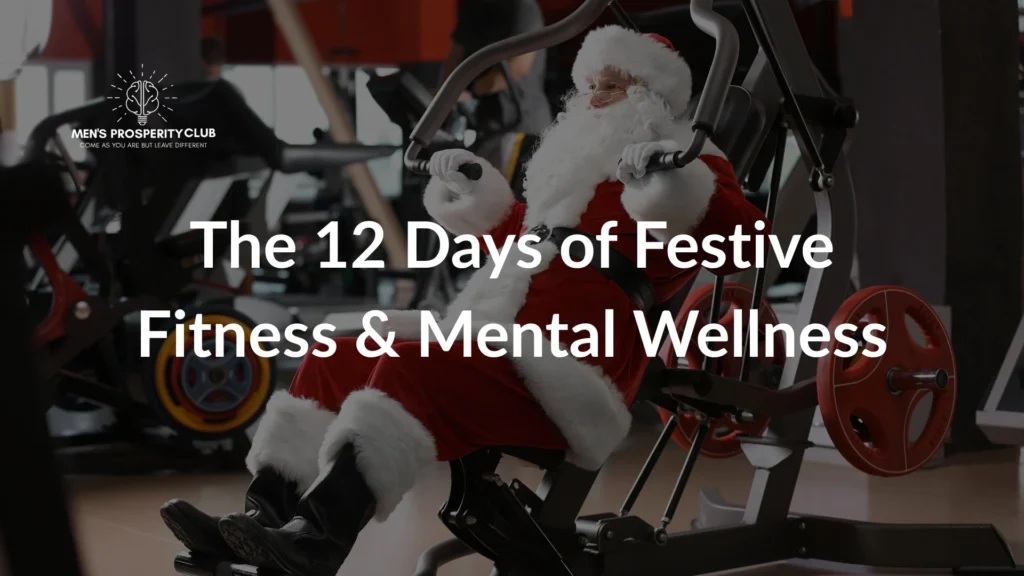
The holiday season brings joy, celebration, and connection, yet it often disrupts our regular fitness routines and challenges our mental wellbeing. Between family gatherings, festive meals, and end-of-year obligations, maintaining healthy habits can feel overwhelming. However, research demonstrates that staying active during this period offers profound benefits for both physical and mental health. This comprehensive guide explores how festive fitness can transform your holiday experience whilst supporting your overall wellness.
Understanding the Holiday Fitness Challenge
The festive period presents unique obstacles to maintaining regular exercise routines. Studies reveal that approximately 10% of people who exercise regularly reduce their activity during the busy holiday season. Meanwhile, Christmas Day, Boxing Day and New Year’s Day consistently rank as the quietest gym days of the year across the UK. Winter months see the lowest levels of physical activity overall, with three-quarters of people choosing not to exercise during this season.
Furthermore, disruptions to established routines extend beyond the gym. Social commitments, travel plans and colder weather combine to create significant barriers. Nevertheless, the consequences of abandoning physical activity during this period can be substantial. Research indicates that taking even a two-week break from regular exercise results in significant losses in muscle mass and strength. Moreover, six weeks of retraining helps, yet individuals struggle to fully regain their previous fitness levels.

The Mental Health Connection
The relationship between festive fitness and mental wellness becomes particularly crucial during the holiday season. Recent UK data reveals concerning trends in mental health. More than one in seven UK adults describe their mental health as either bad or the worst it has ever been. Additionally, young people aged 16-24 face the greatest challenges, with nearly a quarter reporting poor mental wellbeing. More women than men have problems with their mental health (18.5% vs. 12.5%), according to a study.
Physical activity emerges as a powerful intervention for mental health support. Research from Sport England demonstrates that exercise prevents 1.3 million cases of depression annually, creating savings for mental health services of £780 million. Furthermore, evidence shows strong and consistent positive effects of sport and physical activity interventions on diagnosed mental health problems in children and young people. Among gym members with long-term health conditions, 77% exercise specifically to improve their mental health alongside fitness goals.
The mechanisms behind these benefits involve multiple biological pathways. Exercise influences brain chemistry by altering levels of serotonin, stress hormones, and endorphins. Consequently, regular physical activity naturally elevates mood and enhances emotional resilience. During the festive season, when 38% of people experience increased stress, maintaining movement becomes even more essential for mental equilibrium.
Festive Fitness Benefits Beyond Physical Health
Engaging in festive fitness delivers advantages that extend far beyond maintaining weight or cardiovascular health. Firstly, exercise serves as a natural stress reliever during one of the year’s most demanding periods. The holiday season brings unique pressures, from gift shopping to coordinating family gatherings. Physical activity provides a healthy outlet for managing these tensions whilst maintaining focus and calm.
Secondly, maintaining fitness routines during festivities helps preserve energy levels. Without regular activity, many people experience sluggishness and lethargy. Conversely, consistent movement actually boosts energy, helping individuals feel better equipped to handle seasonal demands. Research indicates that 68% of the UK population struggles with fatigue, yet exercise offers an effective countermeasure to this widespread challenge.
Thirdly, festive fitness creates opportunities for social connection. Group activities, family walks, or holiday-themed fitness classes foster positive interactions that combat loneliness. These social elements prove particularly valuable during a season when some individuals feel isolated despite the emphasis on togetherness. Dancing at festive gatherings, for instance, provides both aerobic exercise and social engagement, burning approximately 200 calories in just 30 minutes.
Creating Your 12-Day Festive Fitness Plan
A structured yet flexible approach helps maintain consistency without adding stress. Rather than attempting dramatic fitness achievements, focus on sustaining current levels throughout the holiday period. The concept of a 12-day challenge, inspired by traditional festive counting, provides an accessible framework for staying active.
Days 1-3: Foundation Building Begin by establishing realistic expectations. Schedule exercise sessions just as you would social commitments, treating them as non-negotiable appointments with yourself. Choose activities that genuinely bring enjoyment rather than viewing them as obligations. Morning workouts often prove most reliable during busy periods, completed before daily demands accumulate. Even 10-minute sessions three times daily totals 30 minutes of beneficial activity.
Days 4-6: Social Integration Incorporate movement into festive gatherings. Suggest family walks after large meals, organise outdoor games like frisbee or football, or initiate dance sessions to favourite holiday music. These activities blend celebration with exercise, making fitness feel less like work and more like entertainment. Walking remains particularly effective during the festive season, offering opportunities to appreciate winter scenery whilst burning calories.
Days 7-9: Flexibility and Adaptation Recognise that perfection isn’t the goal. Some days will inevitably disrupt planned routines. Therefore, develop backup options for maintaining activity. Home workouts using bodyweight exercises require no equipment and minimal space. Gentle stretching or yoga provides movement without intensity. The key involves staying engaged with physical activity rather than abandoning it entirely when circumstances change.
Days 10-12: Reflection and Renewal Now that the holiday season is over, think about what went well and what could have been better. Use these insights to inform future approaches. Celebrate successes, however small, and recognise that maintaining any level of activity during this demanding season represents achievement. This reflection prepares you for transitioning back into regular routines as the new year begins.
Practical Strategies for Festive Fitness Success
Several evidence-based approaches enhance the likelihood of maintaining activity throughout the holidays. Firstly, prioritise consistency over intensity. Reducing workout frequency slightly proves far superior to stopping completely. Even one or two sessions weekly maintains fitness foundations better than total inactivity.
Secondly, utilise technology strategically. Many UK gyms offer apps showing real-time capacity, helping you identify quieter periods. Visiting during off-peak times reduces anxiety for those who find busy environments intimidating. Early mornings, late evenings, and weekday afternoons typically see fewer visitors.
Thirdly, engage accountability partners. Research demonstrates that exercising with others increases adherence. Whether joining a friend for walks or participating in online fitness communities, social support strengthens commitment. Additionally, 89% of people who exercise do so at least once weekly, suggesting that establishing minimal frequency creates sustainable habits.
Fourthly, prepare for common obstacles. Financial concerns affect many during the expensive festive season. However, 24% of UK residents actually increased fitness spending recently, recognising health as a priority investment. Free alternatives like walking, home workouts, or outdoor activities provide cost-effective options.

Addressing Mental Wellness Through Movement
The integration of festive fitness and mental wellness requires intentional attention to psychological benefits. Understanding that exercise impacts brain chemistry helps motivate continued participation even when enthusiasm wanes. Neurochemical changes from physical activity improve mood, reduce anxiety, and enhance overall psychological resilience.
For individuals experiencing seasonal affective disorder (SAD), maintaining activity becomes particularly crucial. Winter darkness and cold weather exacerbate symptoms for many people. However, exercise, especially outdoors when possible, helps counteract these effects. Natural light exposure combined with movement provides dual benefits for managing SAD symptoms.
Moreover, establishing routine provides psychological stability during chaotic periods. When external circumstances feel overwhelming, the familiarity of regular exercise offers grounding and control. Mental health professionals emphasise that completely abandoning routines makes resuming them significantly harder. Therefore, maintaining even minimal activity protects mental wellbeing whilst preserving the foundation for future consistency.
Research from Nuffield Health reveals knowledge gaps, particularly among younger generations. Only 36% of 16-24-year-olds understand that exercise improves mental health. This highlights the importance of education alongside practical fitness initiatives. Understanding why movement matters enhances motivation and commitment.
Nutrition, Sleep and Holistic Wellness
Festive fitness exists within a broader wellness context. Nutrition significantly impacts both physical performance and mental health. The average holiday meal can contain up to 3,500 calories, yet the typical person gains only about one pound during the festive season. Nevertheless, this modest gain often persists, contributing substantially to annual weight increases.
Balancing indulgence with nutrition requires practical strategies. Stock healthy options alongside festive treats, ensuring availability of fruits, vegetables, and protein. Hydration deserves particular attention, as increased alcohol consumption and rich foods stress the body. Drinking water regularly supports exercise performance whilst mitigating hangover effects.
Sleep patterns commonly suffer during the holidays. Late social gatherings, travel across time zones, and disrupted schedules interfere with rest. However, adequate sleep proves essential for both physical recovery and mental health. Prioritising consistent sleep schedules, even during festivities, supports overall wellness goals.
These interconnected elements—fitness, nutrition, sleep, and stress management—form a comprehensive approach to festive wellness. Addressing all aspects creates synergistic benefits that surpass focusing on exercise alone.

Building Sustainable Habits Beyond the Holidays
The festive fitness challenge serves as preparation for long-term lifestyle patterns. Habits established during demanding periods often prove more durable than those developed under ideal circumstances. Successfully maintaining activity through holiday disruptions builds confidence and resilience.
As the new year approaches, leverage momentum gained during the festive period. Rather than waiting for 1st January to begin fresh routines, transition smoothly from holiday maintenance into renewed commitment. Research shows that February and March contain the busiest gym days annually, suggesting resolutions often activate later than expected.
Setting realistic goals prevents the common pattern of ambitious January starts followed by February abandonments. Gradual progression based on sustainable foundations proves more effective than dramatic changes. The festive fitness experience teaches valuable lessons about adapting routines to life’s demands rather than abandoning them when circumstances challenge consistency.
The Gift of Movement This Holiday Season
The 12 days of festive fitness and mental wellness represent more than maintaining physical conditioning during a challenging season. This approach acknowledges the profound connection between movement and psychological health whilst providing practical strategies for navigating holiday demands. Evidence from UK research consistently demonstrates that regular physical activity prevents mental health deterioration, enhances mood, and creates resilience against seasonal stresses.
Maintaining fitness during festivities requires flexibility, creativity, and self-compassion. Perfection isn’t the objective; rather, sustained engagement with movement in whatever form proves accessible becomes the goal. Whether through structured workouts, family walks, festive dancing, or home exercises, staying active protects both mental and physical wellbeing.
As you embrace the festive season, remember that caring for yourself through movement isn’t selfish—it’s essential. The energy, mood stability, and resilience gained from festive fitness enhance your capacity to fully engage with celebrations and support loved ones. By integrating the 12 days of festive fitness into your holiday experience, you invest in both immediate wellbeing and long-term health. This holiday season, give yourself the gift of movement, and discover how festive fitness transforms not just your body, but your entire festive experience.