

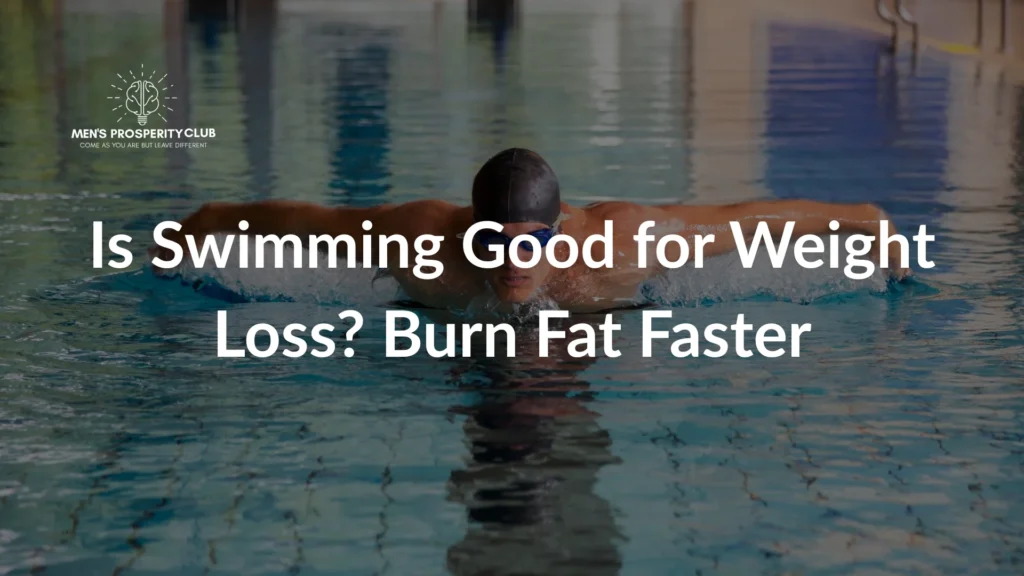
If you have ever wondered whether swimming is good for weight loss, the short answer is a resounding yes. But the longer answer is far more interesting, and far more encouraging, than a simple yes or no. Swimming is one of those rare forms of exercise that works for almost everyone, from complete beginners to seasoned fitness enthusiasts, from those recovering from injury to those looking to shake up a stale gym routine. It burns calories, builds muscle, supports your mental health and is gentle enough on your body to keep you coming back week after week.
In this guide, we will explore exactly how swimming supports fat loss, why it deserves a place in your fitness routine, and how to make the most of every session in the pool.
How Swimming Supports Weight Loss
So, is swimming good for weight loss? Absolutely. At its core, weight loss happens when you burn more calories than you consume over time. Swimming is a highly effective calorie burning activity that also builds lean muscle mass and muscle tissue burns more calories at rest than fat does. This means that the more you swim, the more you improve your body composition and the more efficiently your body uses energy throughout the day.
Unlike some forms of exercise that target only specific muscle groups, swimming demands effort from almost every part of your body simultaneously. Your arms pull through the water, your legs kick for propulsion, your core stabilises your position, and your cardiovascular system works hard to keep oxygen flowing to all of those working muscles. The result is a full body workout that burns a significant number of calories in a single session while also building functional strength.
How Many Calories Does Swimming Burn?
The number of calories you burn while swimming depends on your weight, the intensity of your session, and the stroke you choose. As a general guide, a person weighing around 70 kilograms can expect to burn roughly 400 to 700 calories per hour of moderate to vigorous swimming. For comparison, that is broadly similar to running, and often more than cycling or walking at a steady pace.
What makes swimming particularly effective is the metabolic effect it creates after your session ends. Vigorous exercise, including swimming, can elevate your metabolic rate for several hours after you finish, meaning your body continues to burn calories even while you rest. This is sometimes referred to as the afterburn effect, and it adds meaningfully to the overall calorie deficit that drives weight loss over time.
Different Strokes and Their Calorie Burn
Not all swimming strokes are created equal when it comes to fat burning. Here is a breakdown of the most common styles:
Butterfly is the most demanding stroke and burns the highest number of calories per minute. It engages the chest, shoulders, back, and core intensely, but it is also the most technically challenging and is best suited to more experienced swimmers.
Freestyle (front crawl) is both efficient and high calorie burning, making it an excellent choice for weight loss. It is also the most commonly taught stroke and tends to be the fastest, allowing you to cover more distance and burn more energy in a given time.
Breaststroke is slightly lower in intensity but is brilliant for beginners. It is easier to sustain over longer periods, which means total calorie burn over an extended session can still be significant. It is also the easiest stroke on the neck and spine.
Backstroke burns fewer calories than freestyle or butterfly but is a wonderful complement stroke that strengthens the back muscles and helps correct posture.
Mixing strokes during your sessions keeps things interesting and works different muscle groups, which is great for both motivation and results.
Why Swimming Is Ideal for All Fitness Levels
One of the most powerful arguments for swimming as a weight loss tool is its accessibility. The water supports up to 90 per cent of your body weight, which dramatically reduces the stress placed on your joints, knees, hips, and ankles. This makes it an outstanding option for people who are new to exercise, those carrying extra weight, older adults, and anyone managing conditions such as arthritis, back pain, or previous injuries.
Running, for example, is a brilliant calorie burner but can be brutal on the knees and hips, particularly for beginners or those with existing joint issues. Cycling is similarly effective but requires equipment and, if outdoors, suitable weather. Swimming removes many of these barriers. The pool is available year round, the water provides natural resistance, and the risk of injury is comparatively low.
For beginners in particular, swimming offers something that many other forms of exercise do not: immediate accessibility with very low risk. You do not need to be fit to start swimming. You can begin slowly, build your endurance gradually, and feel genuine progress within a matter of weeks.
How Swimming Compares to Other Exercises
When people ask whether swimming is good for weight loss compared to other activities, the honest answer is that it holds its own extremely well. Running edges ahead in terms of raw calories burned per minute at high intensity, but swimming wins on sustainability for many people. You are far less likely to suffer shin splints, runner’s knee, or lower back pain from swimming than from pounding the pavement.
Compared to gym workouts, swimming offers a comparable cardiovascular benefit alongside the resistance training that water naturally provides. While lifting weights builds muscle in targeted ways, swimming builds functional, whole body strength that translates into everyday movement.
The key insight is this: the best exercise for weight loss is the one you will actually do consistently. And for many people, swimming is far more enjoyable, sustainable and accessible than alternatives. That enjoyment factor matters enormously.
How Often and How Long Should You Swim for Weight Loss?
Consistency is the most important ingredient in any weight loss journey, and swimming is no exception. Swimming two to three times per week for 30 to 45 minutes per session is a solid starting point for most people. As your fitness improves, you can increase session duration, add more frequent swims, or incorporate interval training to boost intensity.
Interval training in the pool involves alternating between periods of hard effort and active recovery. For example, you might swim two lengths at your maximum effort, then two lengths at an easy pace, and repeat that cycle for the duration of your session. This type of training is highly effective for fat burning and can significantly increase the number of calories you burn both during and after your swim.
If you are a complete beginner, do not worry about intensity at all to begin with. Simply getting in the pool regularly and building up your stamina is a fantastic first step. Even gentle swimming burns calories and improves cardiovascular health.

Common Mistakes People Make When Swimming for Weight Loss
The things not to do are as important as the things to do. Here are some common things to be careful of:
Relying on swimming alone without adjusting your diet. Exercise creates a calorie deficit, but it is surprisingly easy to eat back those calories, especially after a vigorous swim, when appetite often increases. Weight loss requires both movement and mindful eating working together.
Swimming too slowly for too long without variation. If you always swim at the same gentle pace, your body adapts and the calorie burning benefit reduces over time. Varying your intensity and including interval work keeps your metabolism challenged.
Neglecting recovery. Rest days are not laziness. They are essential. Overtraining leads to fatigue, injury, and ultimately less consistency, which is the enemy of progress.
Expecting instant results. Weight loss through any form of exercise takes time. Two to four weeks of consistent swimming will produce measurable improvements in cardiovascular fitness and endurance long before the scales reflect the change. Trust the process.
Combining Swimming with Healthy Eating
Swimming is a powerful tool for weight loss, but it works best as part of a broader healthy lifestyle. What you eat matters just as much as how much you exercise. A diet rich in whole foods, lean proteins, healthy fats, and plenty of vegetables will complement your swimming routine brilliantly and help your body recover, build muscle, and manage hunger more effectively.
It is also worth noting that swimming in cooler water can stimulate appetite more than other forms of exercise, so being mindful of post swim snacking is genuinely helpful. A protein rich snack or meal after your swim will help repair muscles and keep you feeling full without undoing the calorie deficit you worked hard to create.
The Mental Health Benefits of Swimming
Weight loss is rarely just about the physical. How you feel emotionally and mentally plays a huge role in whether you stay consistent with any health plan, and this is where swimming really stands apart.
Swimming has been shown to reduce cortisol levels, the hormone associated with stress, while triggering the release of endorphins and serotonin, chemicals in the brain that improve mood and reduce feelings of anxiety and depression. Many regular swimmers describe the sensation of being in the water as meditative, a rare pocket of calm in an otherwise noisy and demanding world.
This mental benefit feeds directly into motivation and consistency. When exercise makes you feel genuinely better, you are far more likely to want to do it again. That virtuous cycle is one of the most powerful drivers of long term lifestyle change.
Tips to Maximise Fat Burning in the Pool
Here are some practical ways to get more from each session:
Begin each session with a gentle warm up of five to ten minutes to prepare your muscles and cardiovascular system. Incorporate interval training by alternating fast and easy lengths. Mix strokes to work different muscle groups and prevent boredom. Use swimming aids such as pull buoys or kickboards to isolate specific muscle groups and add variety. Focus on technique, as swimming efficiently means your muscles work harder with less wasted energy. Track your sessions using a waterproof fitness watch to monitor calories, distance, and progress over time.
Swimming as a Long Term Lifestyle Habit
Perhaps the most compelling case for swimming is not the calorie count or the muscle building, though both are real and meaningful. It is the fact that swimming is something you can genuinely love and sustain for life.
Unlike high impact sports that may become harder with age, swimming can be enjoyed well into later life. It grows with you. As your fitness improves, you can challenge yourself with longer sessions, faster intervals, or new strokes. When life gets stressful or your motivation dips, a gentle swim can restore your sense of calm and reconnect you with why you started.
Weight loss achieved through an activity you enjoy is not just more likely to happen. It is more likely to last.
Dive Into a Healthier Weight Loss Journey
Is swimming good for weight loss? Without question, yes. It makes your whole body stronger, burns calories, speeds up your metabolism and is gentle enough to do for a long time. In addition to helping your body, it also helps your mind. It welcomes beginners and challenges experienced athletes. And perhaps most importantly of all, it is enjoyable.
Whether you are just starting your fitness journey or looking for a sustainable and effective way to support ongoing weight management, the pool is one of the very best places you could be. Dive in, stay consistent, eat well, and trust that the results will follow.
The water is waiting.